 Skip to content
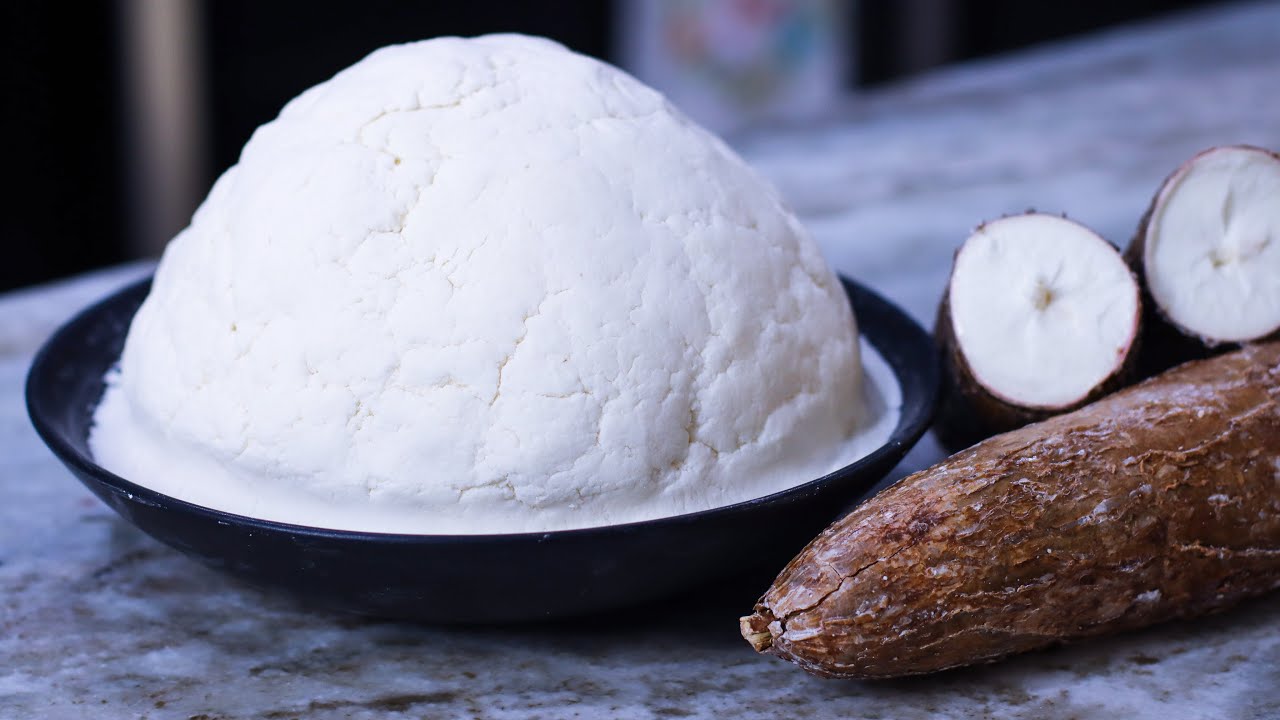

Cassava dough, also known as cassava paste or fufu dough, is a staple ingredient in many West African countries, including Ghana. Here are some interesting facts:
Facts
- Made from cassava: Cassava dough is made from cassava tubers, which are boiled, pounded, and then fermented to create the dough.
- Gluten-free: Cassava dough is gluten-free, making it a great option for those with gluten intolerance or sensitivity.
- Versatile: Cassava dough can be cooked in various ways, including boiling, steaming, or frying.
Culinary Uses
- Fufu: Cassava dough is used to make fufu, a traditional West African dish made by boiling and pounding the dough into a sticky, starchy consistency.
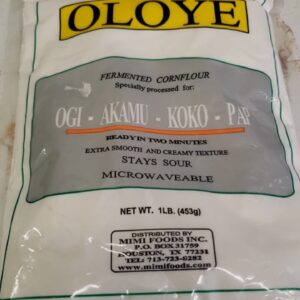
- Banku: Cassava dough is also used to make banku, a fermented corn dough that is similar to fufu.
- Snacks: Cassava dough can be fried or baked to make crispy snacks, such as cassava chips or cassava crackers.
Health Benefits
- Rich in fiber: Cassava dough is rich in dietary fiber, which can help support digestive health.
- Good source of minerals: Cassava dough is a good source of minerals like potassium, magnesium, and iron.
- May help lower cholesterol: The fiber and antioxidants in cassava dough may help lower cholesterol levels and improve heart health.
Tips
- Use fresh cassava: Use fresh cassava tubers to make the dough, as old or rotten tubers can be toxic.
- Ferment properly: Ferment the cassava dough properly to develop the flavor and texture.
- Experiment with recipes: Experiment with different recipes and cooking methods to find your favorite way to use cassava dough.


Reviews
There are no reviews yet.