 Skip to content
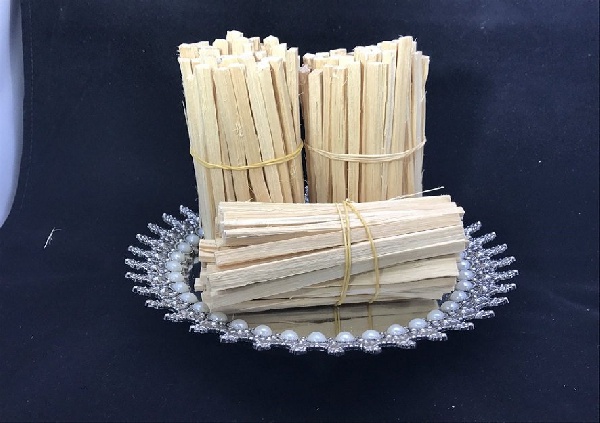

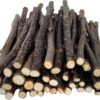
Chewing sticks, also known as miswak or siwak, are traditional oral hygiene tools used for centuries in many African and Asian cultures. Here are some interesting facts:
Facts
- Natural antibacterial properties: Chewing sticks are made from the bark or twigs of certain trees, such as the miswak tree, which have natural antibacterial properties.
- Oral hygiene: Chewing sticks are used to clean teeth, gums, and the tongue, helping to remove plaque, bacteria, and food particles.
- Cultural significance: Chewing sticks are an important part of many traditional cultures, particularly in Africa and Asia, where they are used for both practical and symbolic purposes.
Benefits
- Improves oral health: Chewing sticks can help reduce the risk of tooth decay, gum disease, and bad breath.
- Natural and eco-friendly: Chewing sticks are biodegradable and compostable, making them a sustainable alternative to plastic toothbrushes.
- Promotes cultural heritage: Chewing sticks are an important part of many cultural traditions, helping to preserve cultural heritage and identity.
How to Use
- Choose the right stick: Select a chewing stick from a reputable source, ensuring it is made from a sustainable and antibacterial tree species.
- Prepare the stick: Trim the stick to the desired length and chew on the end to create a brush-like texture.
- Use with water: Use the chewing stick with water to clean teeth, gums, and the tongue.
Tips
- Use regularly: Use a chewing stick regularly to maintain good oral hygiene.
- Replace often: Replace the chewing stick every 1-2 weeks or sooner if it becomes worn or frayed.
- Combine with modern oral hygiene: Use a chewing stick in combination with modern oral hygiene practices, such as toothbrushing and flossing, for optimal oral health.



Reviews
There are no reviews yet.