 Skip to content
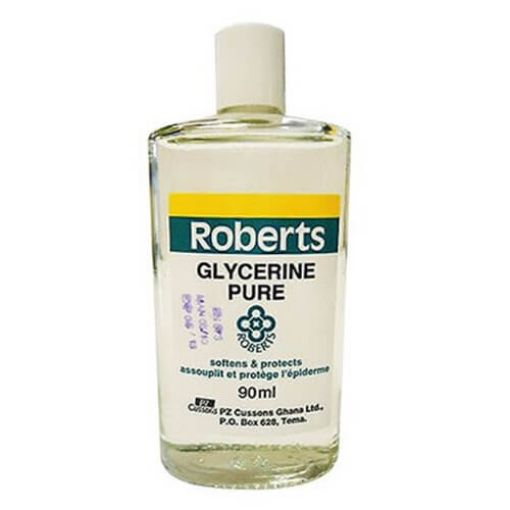


Glycerine, also known as glycerol, is a colorless, odorless, and syrupy liquid with various uses. Here are some interesting facts:
Facts
- Derived from vegetable oils: Glycerine is typically derived from vegetable oils, such as coconut oil, palm oil, or soybean oil.
- Humectant properties: Glycerine has humectant properties, which means it can attract and retain moisture from the air.
- Used in various industries: Glycerine is used in various industries, including pharmaceuticals, cosmetics, food, and tobacco.
Uses
- Skincare and cosmetics: Glycerine is commonly used in skincare and cosmetic products, such as moisturizers, creams, and lotions, due to its humectant properties.
- Pharmaceuticals: Glycerine is used as a solvent, humectant, and sweetener in various pharmaceutical applications.
- Food industry: Glycerine is used as a sweetener, humectant, and texture modifier in various food products, such as baked goods, candies, and beverages.
Health Benefits
- Skin health: Glycerine can help attract and retain moisture in the skin, making it a popular ingredient in skincare products.
- Wound healing: Glycerine has been shown to aid in wound healing by promoting tissue repair and regeneration.
- Digestive health: Glycerine can help soothe digestive issues, such as constipation and diarrhea.
Precautions
- Consume in moderation: While glycerine is generally considered safe, consuming excessive amounts can cause digestive issues.
- Allergic reactions: Some individuals may be allergic to glycerine, which can cause skin irritation, itching, or other allergic reactions.
- Interactions with medications: Glycerine may interact with certain medications, such as blood thinners, and decrease their effectiveness.




Reviews
There are no reviews yet.